

What you build with that opportunity is ultimately up to you.
Some of the streetlights were already turning off, and the day had not fully emerged. I was early to my technical school that morning.
We are entering the early stages of winter. In many parts of Europe, the sunlight becomes softer and more golden at this time of year. Here in Spain, however, sunshine feels almost as essential as the air we breathe, one of the many things I love about this country.
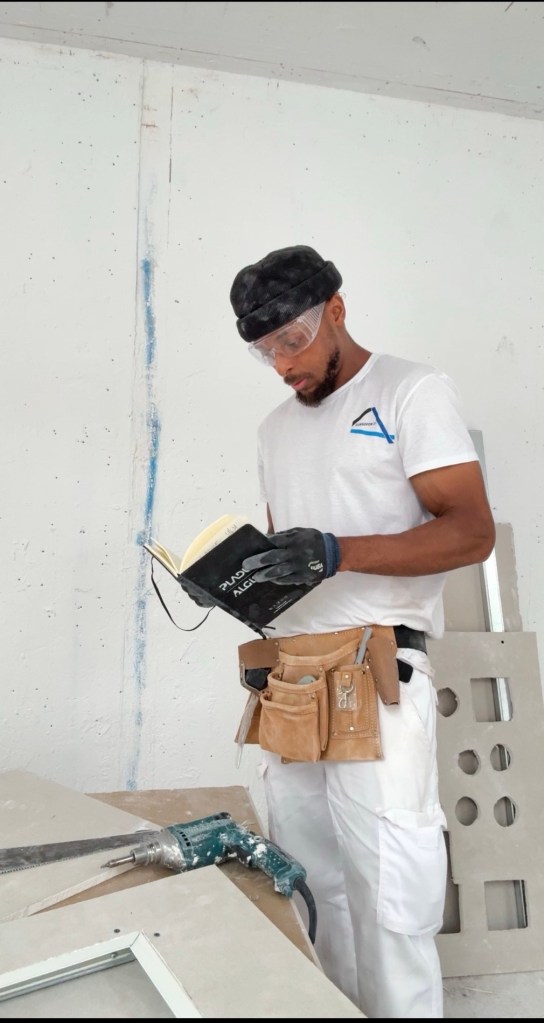
I have been attending this course for about two weeks now, and I have to admit: I love it. It is a technical course related to building and construction.
As I sat there, I found myself thinking about the past. I have wished many times that I had learned a trade, developed a technical skill, or built a business with recognised certification when I was younger. But circumstances limited some of the opportunities available to me.
Now, I am trying to change that.
That wish didn’t come from nowhere. It came from years of working abroad, and from what that experience taught me about its real cost.
Working abroad can offer opportunities that are difficult to find elsewhere. But opportunities do not automatically erase the difficulties that come with living in another country. There are advantages. There are disadvantages. And the experience can be very different depending on your age, profession, legal status, language skills, qualifications and ability to integrate into your new environment.
One of the hardest realities is that sometimes you don’t completely own your time. Your schedule belongs to your employer. Your energy belongs to the job. And after enough years, you can feel less like a person with dreams and more like a machine that wakes up, works, gets paid and starts again.
I am not the only one who feels this way. For many migrants, the pressure behind it is the same. The urgency to earn money can become overwhelming. You arrive in a foreign country and want to establish yourself quickly. You want to send money home. You want to improve your family’s situation. You want people back home to see that you are doing well.
And sometimes, that pressure can lead people into decisions they may later regret. The desire to succeed quickly can make it easy to overlook some of the most important parts of building a life abroad:
Learning the language.
Understanding the system.
Getting proper qualifications.
Going to school or vocational training.
Building professional experience.
Integrating into the society where you live.
These things take time. And when you desperately need money, time can feel like a luxury.
I know that feeling well, because I lived it.
“The real goal isn’t simply to work abroad. It is to build a life abroad.”
For migrants who arrive later in life, starting again can be particularly challenging. You may have years of experience behind you, but if that experience is not recognised in your new country, you may find yourself starting from a completely different position. You may have the ability but not the certificate. You may have the experience but not the language. You may be hardworking but lack the professional network that could help you move forward.
And even when the paperwork and the language do come together, there is a weight that no certificate can lift.
Living abroad can mean maintaining two lives. One life where you work and survive. Another life where your family is waiting for you somewhere else. You work here. You provide there. You worry about the family at home while trying to survive where you are. That double responsibility can take a toll, and sometimes the years pass before you realise just how much of your own life you have spent simply trying to keep everything going.
The younger generation can face a different kind of challenge. The desire to become successful quickly can make education, language learning and proper integration seem less important. But building a sustainable life takes more than earning money today. It requires preparing for tomorrow. That is something I am beginning to understand more deeply.
Seeing this from both sides is what makes me think the conversation needs to change.
Perhaps there is a new way of looking at migration emerging, one based not only on finding immediate work, but on building a profession, gaining qualifications and becoming properly integrated into the society where you live.
At least, that is the direction I am trying to take.
I am currently learning a technical skill through a course that can lead to recognised certification and practical experience. My hope is that it will put me in a stronger position to find better employment and eventually move beyond the manual labour I have done for almost a decade.
The course is possible because I am currently on leave from work, and I am using that time on purpose. I have also been assigned to a proper language course.
For me, this is important. Learning the language isn’t simply about being able to communicate at work. It is about being able to communicate freely. It is about understanding people and the society around you. It is about becoming less dependent on others. It is about integration. And perhaps most importantly, it is about giving yourself more choices.
A few years ago, some of these opportunities were not available to me in the way they are today. Now I am trying to take advantage of them. I don’t know exactly where this new path will lead, but I know I don’t want to spend the next decade doing exactly what I have done for the last one.
Working abroad can be exhausting. It can consume your time. It can separate you from the people you love. It can expose you to difficulties you never expected. But it can also give you an opportunity to rebuild.
And perhaps the real goal isn’t simply to work abroad. It is to build a life abroad.
A life where your work gives you more than a salary.
A life where your skills are recognised.
A life where you can communicate confidently.
A life where you can grow professionally and personally.
A life where you are not simply surviving from one month to another.
I am still on that journey. For now, I am learning. I am studying. I am working. I am trying to integrate. And I am trying to build something better from everything I have experienced.
That morning, with the streetlights going out and the day not yet begun, I wasn’t tired. I was early, and for once that felt like the right direction.
Because working abroad may give you an opportunity. But what you build with that opportunity is ultimately up to you.

