Knowledge unused is still power stored.

Who was your most influential teacher? Why?

What you learn today may save you tomorrow.

Life teaches us things both directly and indirectly, and it is our responsibility to apply the knowledge we have learned at the time to the situation or individual.

A teacher, also known as an educator, is a professional who works in educational settings to create and carry out instructional strategies in order to assist students in gaining knowledge, competence, or virtue. They are essential for promoting learning and intellectual development. Early childhood, elementary, and secondary education are just a few of the levels at which teachers can work. However, learning is an ongoing process that is not exclusive to humans and continues until the end of life.

It was fascinating to grow up; I wanted something special as a kid. I was bold, inquisitive, and willing to learn, but even though I prioritized learning, life has hidden agendas.

However, a teacher in my early secondary school years stood out not because of his subject (introtech), which is primarily drawing and cannot be compared to other subjects like English, and literature,which I preferred and paid more attention in my early secondary years.

which contributed towards my ability to write this piece for you today.

We all learn and understand differently but some teachings can only be understood uniformly. Every teacher has a different method of imparting knowledge, and it is our responsibility to interpret meaning in order to comprehend it.

*Better have it and not need it!*

The most fascinating aspect of education is that, when properly assimilated, it greatly influences our future, knowledge, and way of thinking. Furthermore, it is not limited by time; depending on the situation surrounding its application, it may be used and requested decades after it was acquired or right away.

My introtech teacher, an elderly man in his late 60s who frequently deviates from his subjects to offer advice in parables, speaks calmly and directly to his students. He always guided his students, to understand that the future is partially, if not entirely, funded mentally by current behaviors, and that long-term goals are preferable to short-term rewards.

However, not every student in my class liked him, as many made caricatures of his advice, but as someone who was raised in a home with similar words and a strong curiosity, I also believe in his teaching and ideas.

One day, he demanded quiet in his class because some students were making too much noise. He said. * Listen to what I say; I am older and more experienced. My advice is intended for your own good. You may not get this kind of advice from your parents or anyone else in your life, which is why you should listen when I speak; no knowledge is a waste. *It is preferable to have knowledge of something and not need it than to need a knowledge and not have it. What you learn today may save you tomorrow.*

Decades after his death, I can still hear what he said. My introtech teacher’s remarks contributed to my understanding of the importance of education, even though my parents had a bigger and more profound influence on my knowledge and intelligence.

My grandmother’s mark!

What tattoo do you want and where would you put it?

“No two stories are the same, and neither are their expressions.”

I’m thinking about getting my third tattoo, but I’m not sure what, where, or when.

The history of tattoos can be traced back to ancient times. As a young child, I was unable to understand the significance of my grandmother’s mark on her right arm, but I could still recall it. Although they had different names for it than “name tattoos,” I was unaware that it was even called a tattoo at the time.

Just as each of us is distinct due to our varied personalities, experiences, and backgrounds, so too are our modes of expression.

A tattoo is a permanent, irreversible design, mark, or text that is applied to the skin by injecting pigment and is used for cultural marking, self-expression, or remembrance. stamping, branding, and body art. They frequently represent personal beliefs, such as an anchor for stability, a bird for freedom, or a phoenix for rebirth; however, because they are susceptible to removal, they are no longer permanent.

Every story has an angle of expression!

Recalling my first tattoo, which I may not reveal for security reasons, was the result of experience, tenacity, faith, and success—though not without luck and God, which I recently acknowledge. While some people would rather have their tattoos visible in an open area, I prefer distinctive, neutral locations that are neither open nor hidden. A written statement that strengthened my struggle for survival and calmed my heart. Despite the fact that it was poorly styled, I adored it. I’ve been asked a few times what your tattoo means, and the most lovely thing about it is that I came up with the words, so it was a prototype. You are in control of your world if you conquer your fears.

My second tattoo came many years after my first; unlike the first, it was a Pinterest arrow depicting success born of adversity. I discovered it online and adore it because of its unique design and simplicity. However, like the first, it was placed on a part of my body that is neither hidden nor visible. My young daughters have frequently inquired as to what it means and why I had them, but due to their age, I read it aloud and explained the drawing for peaceful protest, knowing that until they reach adulthood, they will struggle to understand its meaning and purpose, just as I was unable to understand the markings on my grandmother’s arms. However prior to my adulthood I felt uncomfortable being around people with obvious markings (tattoos) for no apparent reasons until I learned to not judge people whose stories I knew nothing about.

As a result, considering my third tattoo, what and where is futuristic and certain but not imminent? I haven’t decided what to have or where to put it, but it will undoubtedly be measured and characterized by a purpose not dissimilar to the previous ones, but this will be of great significance and importance because of the magnitude of greatness and success that I have witnessed beyond difficulties .

Wait until you dance!

What is your favorite type of weather?

Dance in the rain

From the melodies of raindrops to the sweet scent of puddles, combined with the fresh air and cozy atmosphere of cool weather, if you believe that sunshine and snowfall are the epitome of happiness, just wait until you dance in the rain.

It’s August, and my younger brother and I are back from school. We wasted no time preparing the evening meal, as our mother had asked us to do before she returned from the market.

August is well-known for its rainy season in Eastern Nigeria. This time of year is marked by incessant rains, which means we need to be quick with our chores to avoid getting into trouble. The weather has begun shifting from sunny to breezy, and the winds are picking up, signaling that rain is on the way. Thankfully, we completed our tasks just in time.

In Eastern Nigeria during the late ’90s, it wasn’t uncommon to see teenagers dancing and playing in the rain, and that’s exactly what my brother and I were looking forward to as soon as the weather changed…to be continued 

No day is the same!

What do you wish you could do more every day?

We will get better

Days are categorized and measured in the same way; each having twenty-four hours. However, despite their similarities in timing, no two days are ever the same. We often fail to realize or appreciate the opportunities each day presents until they have passed. As my late father used to say, “Had I known” is a brother to Mr. Late. 

In our subconscious minds, we tend to overlook the little things that make life beautiful and add value to our existence because of anger, overthinking, pride, and greed. How I wish I could live each day the way I truly want! But then again, what do I really want? 

At this moment, as I write this, I find myself feeling mad at my spouse due to a minor misunderstanding, Still, I wish I could kiss her every moment and tell her how much I love her, along with expressing my love to everyone around me. 

It’s ok when our days vary.

Also, my biggest wish is to make each day count financially—meaning I want to earn money and make gains each day to adequately take care of my needs and that of my family. 

The truth is that energies vary, and no day is the same. But understanding and appreciating the little things around us is the key to making each day meaningful. I love reading, listening to country songs, enjoying quiet environments, sharing laughter, and having deep, meaningful conversations. Eating healthy, exercising, and taking a walk However, all of this seems out of reach when I find myself financially unstable which makes my everyday wishes feel unattainable. 

We often don’t realize what we have until it’s lost. Despite having a rough time, I sometimes look at my kids with their stress and endless questions and laugh, feeling blessed and lucky. Life could have been worse but it isn’t. I feel fulfilled knowing that we have a roof over our heads and food on our table, Keeping and raising a family is no easy task, but it is something we cherish deeply. Spending time with them every day is something I wished for and currently doing but every decision comes with its challenges and mine is not isolated however I know it could be better and will surely be better.

Your Hidden Super Powers!

Who is the most confident person you know?

You inspire many;Stay on course.

Confidence is a trait that is developed over time and cannot be pinned down to a single act or behavior. A moment of bravery can set someone on a transformative path, but maintaining that confidence is essential to stay on course.

True confidence comes from a deep appreciation of one’s abilities and qualities, coupled with belief in a positive outcome. It is a hidden superpower that many of us possess at different points in our lives. However, only a few manage to sustain that courage in their everyday decisions.

Life, time, and circumstances shape our journeys and relationships. Yet, certain individuals stand out for their unwavering confidence. This can be seen in their decision-making, their navigation through emotional challenges, their intellectual expression, communication skills, conflict management abilities, perseverance, and patience.

Each person’s confidence manifests in unique ways, which adds to the richness of humanity. It’s important to recognize that one should not be judged for lacking confidence in specific situations unless one consistently shows a lack of courage in their daily life. The perception of dreams, perseverance of purpose, and belief in oneself are the fuels that drive confidence.

I dedicate this message to my late mother, who exemplified these qualities even in her final moments, and to you, my wonderful readers, who have persevered to the end of this article. You have all demonstrated remarkable confidence in overcoming life’s challenges. Never let your guard down you might be a shining light to lots of people who look up to your superpowers.

You must rebuild!

What strategies do you use to cope with negative feelings?

Our shared struggles

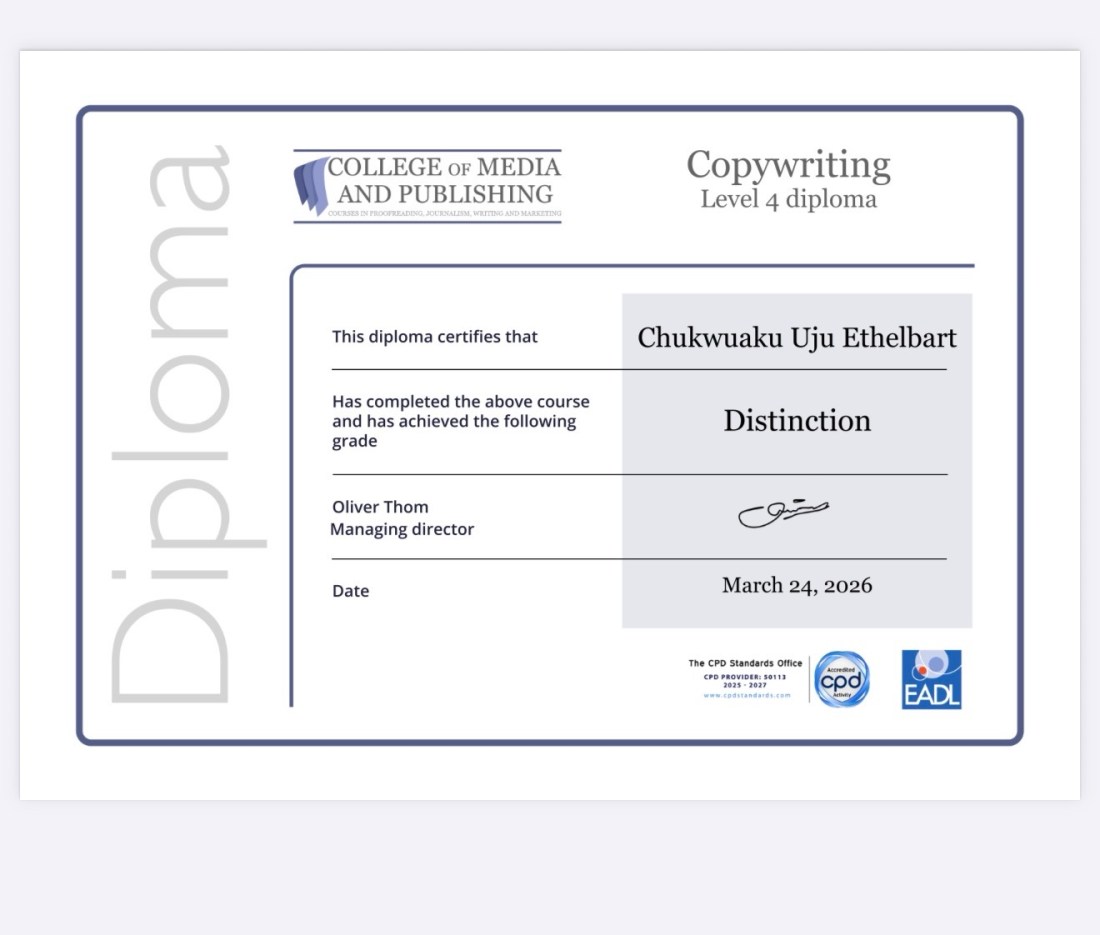
For the past month, I have struggled to keep up with my copywriting studies and assignments. Fortunately, there was no strict deadline for their completion. Emotional stress can be overwhelming, especially when the circumstances around us are unfavorable or when it feels like there is no way out toward normality and improvement.

Feelings of anger, fear, guilt, sadness, emptiness, and regret are challenging emotions that can significantly impact our mental health and overall well-being. It is crucial to recognize that we can choose a state of mind that either diminishes our potential or enhances our happiness.

No good comes from emotional trauma.

Emotions do not occur on a specific timetable; rather, they arise from unforeseen circumstances in our daily lives. We are all in this together. Both I, the writer, and you, the reader, experience negative feelings and challenging situations that disrupt our inner peace at some point in our lives. However, not everyone knows how to navigate these emotions effectively. Some people have better strategies for dealing with negativity than others, and while it may seem like a gift, it is certainly one worth having.

The ability to manage emotions depends on various factors, including their causes, personal background, education, age, finances, past experiences, and intelligence, to name a few. All of these elements play a vital role in how we handle our emotions. No matter the perspective, we may find ourselves disagreeing, yet ultimately, we can agree on our shared struggles.

Recently, I found my footing again after taking some time to distance myself from those around me. I spoke less, engaged in deep thought, and asked questions that I could only answer for myself. I paused all engagements and programs to analyze the circumstances that led to my emotions—reflecting on my mistakes as well as my successes. Accepting reality and the necessity of moving forward, I allowed myself to pray and cry. Additionally, I focused on reframing my thoughts and strategies.

By trusting in myself and appreciating the opportunities around me, I gradually shed the burdens of negative feelings and began to feel better. As someone familiar with negative emotions, I have come to terms with the fact that no good comes from emotional trauma. Therefore, my only choice is to make the most of my experiences and find a way to rebuild. Started my studies again today life goes on.

To be called foolish .

What is your middle name? Does it carry any special meaning/significance?

Key to Counciousnes

Names be they first, middle, or last carry a profound significance that extends beyond simple identification; they act as keys to our consciousness and recognition. Although we often downplay their importance, it is rare—if not impossible—to find someone who would choose to be called “Stupid” or “Foolish,” even if they may sometimes act in ways that could be described as such. Our names narrate our ancestry and illuminate the journeys we have undertaken.

Rare to find one that would choose to be called..

My name is Obianujunwa, as I mentioned in my last article, which relates closely to today’s discussion. It is a unique name found only among the Igbo people of Eastern Nigeria in Africa. It means “came amid surplus.” Names are shaped by various factors, including culture, circumstances, religion, ancestry, vision, and beliefs. Beyond serving merely as a means of identification, names play a crucial role in reflecting and preserving humanity’s heritage, uniqueness, and diversity.

Our names not only describe us; they also tell the story of where we come from and the circumstances surrounding our being.

When labor fruits are rotten!

What is the last thing you learned?

The dignity fades away

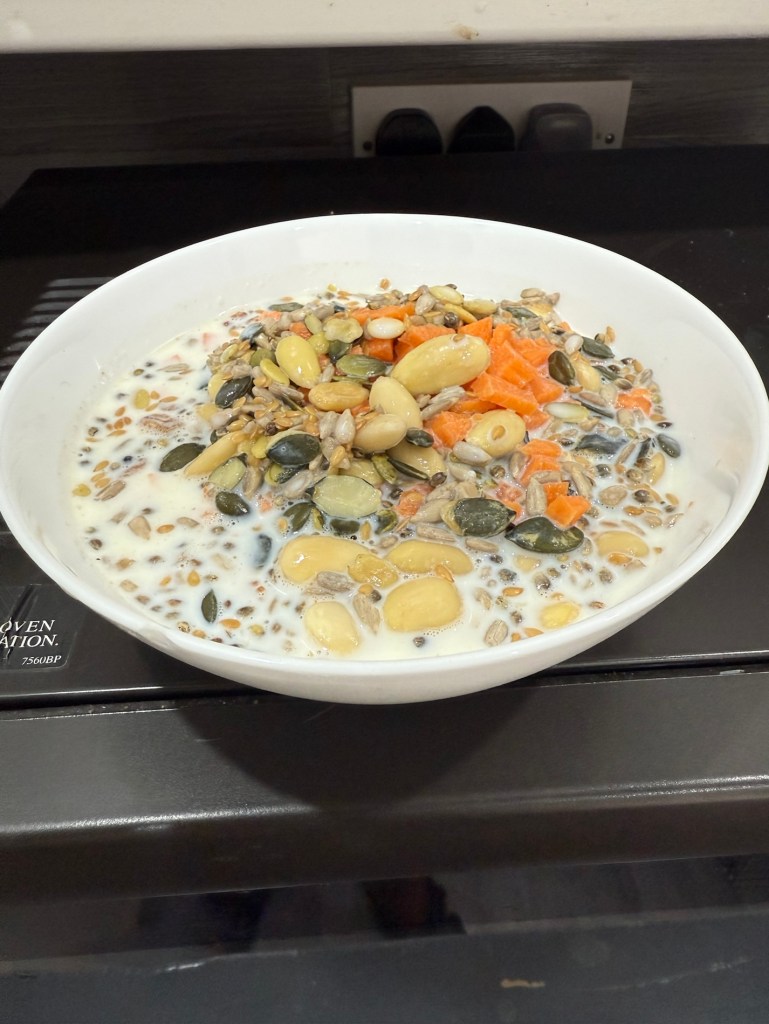
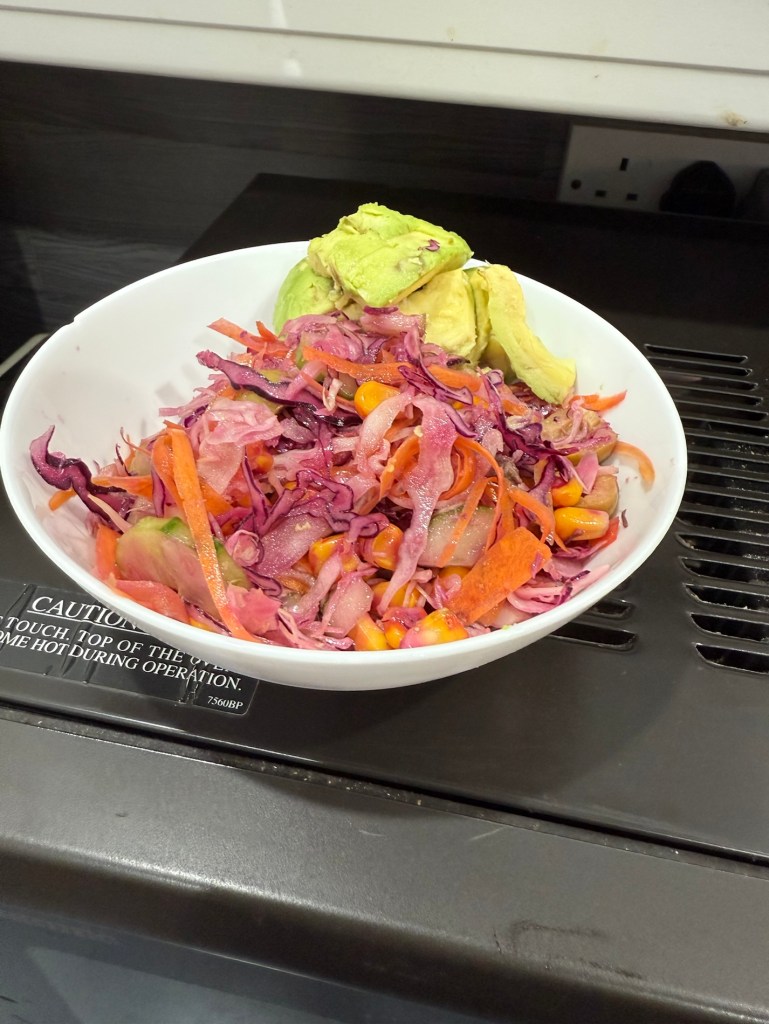
It’s been nearly a month since I lost my job, and the emotional weight of it all has been quite heavy. Trying to find some comfort, I sat down with a cabbage salad, but the joyful noise coming from my children’s room seemed to echo the turmoil I feel inside. Normally, I might gently remind them to lower their voices, but today feels different—far from the routine we used to know.

The reality is that life often throws unexpected challenges our way, like job loss, and it can be hard to anticipate how deeply these events will affect us. After returning from our school runs, I wanted to give my kids a chance to reconnect after being apart all day. On a regular day, I would savor my salad, but today it feels bland against the backdrop of my worries.

Salad tastes different in the midst of worries!

As I’ve reflected on my situation, I realize that I’ve been viewing my circumstances through a negative lens. This afternoon, my kids asked for ice cream and a lollipop—a request they’ve made often this week, especially with the warm, sunny days around us. Unfortunately, I had to tell them, “I don’t have any money today, but I promise we can get some tomorrow.” It breaks my heart to let them down again, knowing that my “tomorrow” has stretched into weeks.

“Dad, how long until you have money?” my eldest daughter asked, her innocent curiosity piercing through my own worries.

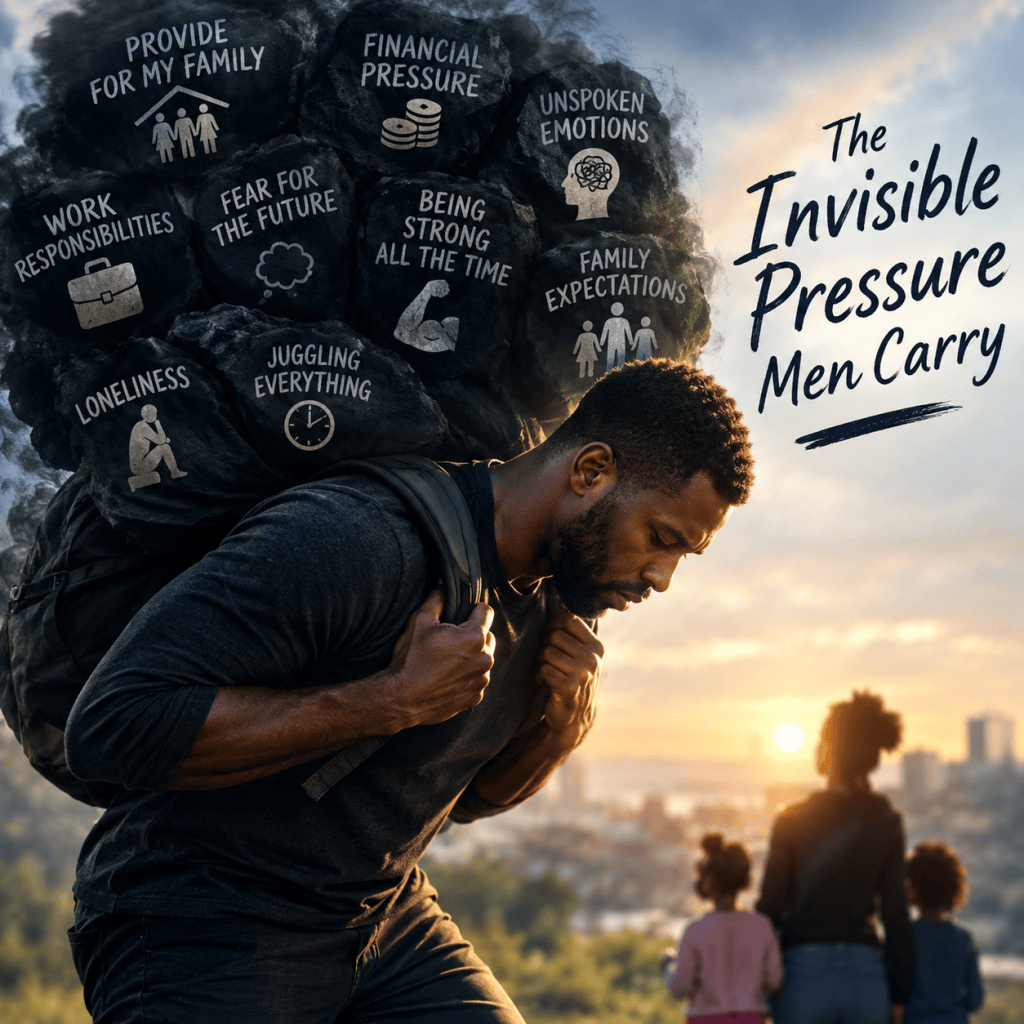
How do I explain to them that a month without work has left me with no financial means, no savings to draw upon? It feels so disheartening to think that after years of hard work, just a brief period of joblessness can lead to such a struggle to provide for them—whether it’s paying rent, keeping food on the table, or even buying a small treat like ice cream. It brings to light an important question: what is the purpose of working if it doesn’t secure our family’s needs, our bills, or ensure we can prepare for the unexpected?

In the past, jobs were sources of pride and stability, allowing families to thrive—sending children to school, paying off homes, enjoying vacations, planning for retirement, and saving for those rainy days. Work once held a sense of dignity because it meant providing for loved ones. Yet in today’s world, when the fruits of our labor no longer meet our basic needs or shield us from life’s uncertainties, that dignity seems to fade away.last thing I learned.

Your well-being; Your responsibility.

What experiences in life helped you grow the most?

Trust is not given

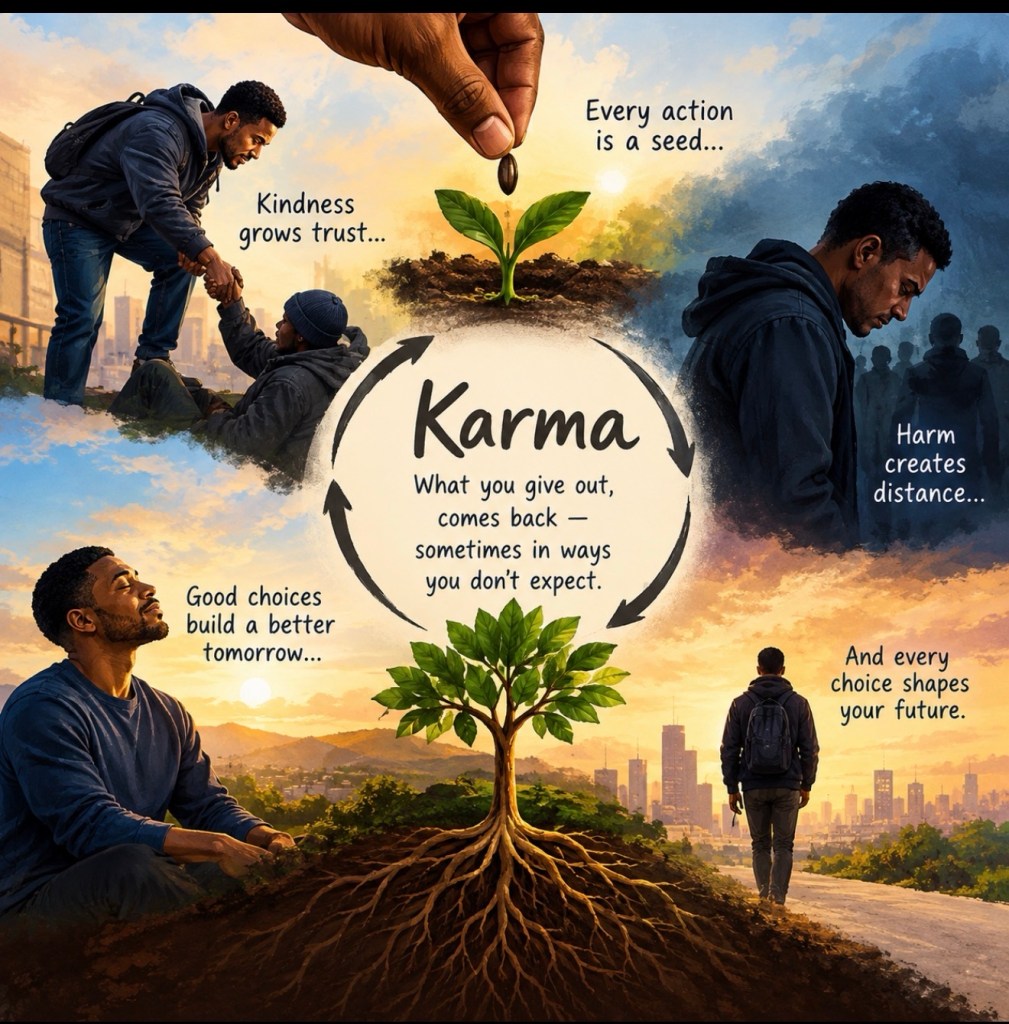
Growth is inevitable, regardless of our life experiences. Sometimes situations arise that we wish had never happened, but in the long run, they often become our greatest teachers. Encounters with others teach us lessons, both good and bad. In reality, life will present us with a variety of circumstances, and how we choose to accept and find meaning in them is what truly matters. Trust is like glass; once broken, it can be restored but will never be the same.

People often take advantage of others. One thing about trust is that it typically comes from those we hold dear. As humans, we all have our unique characteristics and things that make us stand out, one of which is my greatest strength, loyalty. I trust wholeheartedly and believe that others will treat me the same way I treat them. Unfortunately, my hope for fair treatment and reciprocal behaviour was dashed early on by people I held dear, which ultimately shaped my expectations of others. I came to understand the importance of trusting myself and being open to people without expectations.

My early childhood experiences of betrayal were deeply painful, but they prepared me for adulthood, which brought its own set of emotional challenges related to trust. Having learnt these lessons early in life, I became aware of the harsh realities surrounding our society and the consequences of placing too much trust in others. This awareness has allowed me to apply these insights in my everyday life, therefore helping me grow while shielding me from disappointments and hurts at the same time.

Providing me with the understanding that my safety and well-being are solely my responsibility and no one else’s while appreciating people responsible enough to offer in return. Believing the assertion that trust indeed is not given but earned.

When You are not you!

Do you believe in fate/destiny?

You are Still You!

After returning from the play park with my young girls on what seemed to be a sunny day—perhaps an early hint of summer—I could hear their complaints about the lack of outdoor experiences during the long winter months. With high spirits and enthusiasm, I noticed their sighs of relief when I mentioned going to the playground. Although it was a lovely day with sunshine and cool weather, I couldn’t help but wonder if this was my fate.

Were my current circumstances destined to happen, or were they merely the result of random decisions? Fate can be defined as the development of events outside a person’s control, often seen as predetermined by a supernatural power. It’s challenging to manage the unforeseen circumstances that life throws our way, which seem destined to occur.

This led me to question: What is destiny? Do I believe in it? Destiny refers to events that will inevitably happen to a particular person in the future. As you’re reading this article and trying to grasp the picture I’m painting to illustrate my story, I encourage you to ask yourself if this is fate, destiny, or simply the natural circumstances that bring us together.

Even when you are not you; you are still you!

While I may believe in fate, I must admit that I don’t fully understand how it works. The idea that every challenge I have faced is justified and that my victories were predestined could place me in a difficult position. I also believe that our future is shaped by our actions today. Yet, there are times when circumstances emerge that we, as humans, try to escape but cannot.

Complicated as it may seem, here I am, reflecting on my life—my children, my wife, my jobs, friends, family, admirers, detractors, and my country—wondering if all this is fate, my destiny, or simply a product of random decisions intertwined with the forces of nature. Meanwhile, my spouse has just returned from work, and the atmosphere in our home is alive again; everyone is happy after a day well spent. 

It’s much like incarnation; even when you feel disconnected from yourself, you are still you. The same applies to fate and destiny: even if we doubt our circumstances or the journey of life, it remains our story and experience to share.